

乘联会、中汽协接连放出 6 月及上半年乘用车产销数据。虽然两套统计口径略有出入,但摊开的产业图景足够刺眼——国内终端销量大幅跳水,燃油车近乎腰斩;海外整车出口迎来跳涨式爆发,全年破千万辆几乎板上钉钉;内需承压靠海外市场托底的同时,新能源赛道内部也走出分裂行情 —— 纯电持续走强,增程路线增长红利彻底消退,行业过渡方案正在加速退场。
8、9 两日集中出炉的两组数据,直观勾勒出国内市场的寒意。中汽协口径下,6月国内乘用车零售 149.7 万辆,同比大跌 26.4%;燃油车仅售出 49 万辆,同比近乎腰斩,跌幅高达 49.9%。拉长至上半年,乘用车累计销量 828.8 万辆,同比下滑 24.3%;燃油车合计 369.4 万辆,同比缩水 31.9%。
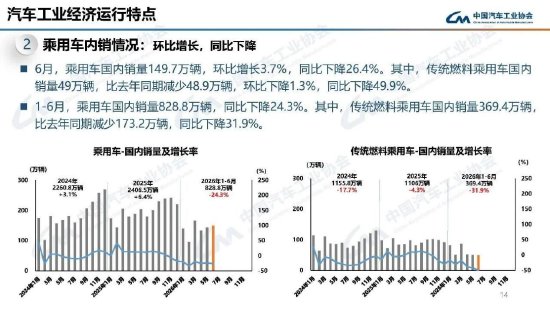
如此幅度的同比下滑,近4年从未出现。大盘下行的压力几乎全部由燃油车扛下。一个耐人寻味的细节是,车企批发端降幅并不突出,这意味着大量新车积压在经销商渠道,依赖燃油车走量的合资品牌,成了库存压力最直接的承受方。
燃油车持续深跌,油价只是表层借口
一季度行业普遍形成共识:2026 全年国内乘用车销量或将迎来 20% 级别的深度下滑。半年数据看似印证了这一预判,但市场主流归因逻辑,其实存在两处明显漏洞。
第一,新能源修复速度远超行业预期。上半年新能源整体销量同比下滑 13.4%,但 6 月单月同比仅微降 0.4%,环比 5 月持续回暖,是唯一能托住大盘的细分赛道。此前市场普遍悲观,认为国补退坡叠加去年提前透支消费,新能源全年都会深陷低谷。但从 6 月走势不难判断,政策透支挖下的需求缺口正在快速填平,三季度有望重回正增长通道,全年大盘不至于出现市场担忧的深度塌方。
第二,把燃油车下跌全部归罪于高油价,这套逻辑已经走不通了。 时间线可以清晰对应:美伊冲突升温,3 月国际原油一举突破 100 美元 / 桶并站稳高位,同期燃油车销量同步下挫,4、5 月豪华燃油品牌销量明显受挫,油价上涨确实是短期催化因素。但 6 月以来国际原油、国内成品油同步回落,7 月油价更是跌破 70 美元 / 桶,燃油车终端销量却没有任何回暖迹象,单一油价逻辑不足以解释现状。

深层次来看,油价上涨更像压垮燃油车需求的最后一根稻草。大批有换购计划的消费者,本就长期观望新能源,油价波动只是加速了决策落地。即便油价重回低位,已经完成消费心理重置的用户,很难再回头选择燃油车。这种结构性的需求迁移,目前虽缺少量化调研佐证,但终端门店的反馈已经足够清晰。
所以,我们能看到,今年跨国车企集体陷入大规模战略调整周期:要么大幅削减全球电动车投资,要么同步裁员、关停海外工厂,全球运营架构持续动荡。管理层重心全部放在组织架构重整,新车研发、迭代投放被搁置,车型更新任务大多转交中方合资公司。
上半年行业一口气推出 600 多款新车、年度改款及衍生车型,但能拉动燃油车销量、具备差异化竞争力的重磅产品屈指可数。需求端持续流失,供给端又无新品承接,燃油车阵营基本失去翻盘机会。
纯电向上,增程路线红利见顶
新能源整体扛住了大盘压力,但赛道内部早已告别普涨时代,纯电、插混、增程三条路线的增长曲线彻底撕裂。
从中汽协上半年数据看,纯电车型销量同比上涨 13%,插混 + 增程整体同比下滑 2.5%;乘联会 6 月细分数据反差更强烈:纯电批发 98.1 万辆,同比增长 26.9%;插混 40.6 万辆,同比增 18.1%;增程仅 9.4 万辆,同比大跌 25.2%。 上半年新能源销量 TOP10 榜单里,增程车型仅剩问界 M9(配置|询价) 一款,其余席位全被纯电牢牢占据。
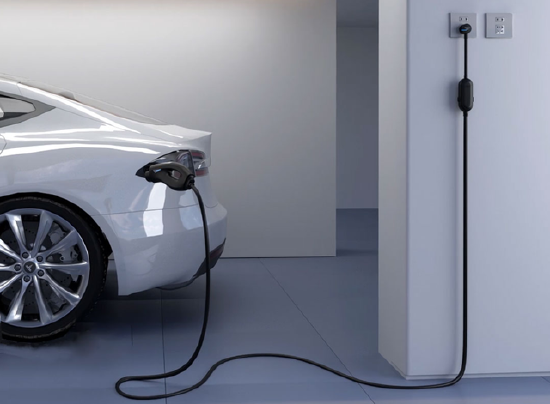
不少人将增程销量下滑也简单归咎于油价,但真实用车场景并不支撑这个结论:绝大多数增程车主日常通勤以纯电模式行驶,油价高低对购车决策影响有限。增程当下最大的短板,是短续航的先天缺陷被持续放大。即便新款大型增程 SUV 把电池容量拉到 70-80 度,也没能逆转细分赛道的下滑趋势。
曾经支撑增程快速起量的核心卖点 —— 无续航焦虑,正在被纯电技术快速抹平。长续航纯电车型全面普及、兆瓦级闪充落地、全国换电站网络铺开,高速补能体验已经无限接近燃油车加油;反观增程车型,多一套内燃机系统,保养成本更高、故障风险更多,原本的差异化优势被持续消解。
不可否认,在充电配套匮乏的偏远地区,增程仍有不可替代的实用价值,短期会保留固定基本盘。但赛道增长红利已经彻底消失,长期前景黯淡。一旦固态电池实现商用落地,所有带油箱的车型 —— 燃油车、增程车都会迎来新一轮生存挤压,油价只是提前加速了这一进程。
出口爆发式跳涨,中国独有的工业底座
国内市场寒气逼人,海外整车出口却走出罕见的爆发行情,成为今年汽车产业唯一确定的增长主线。
中汽协数据显示,上半年整车出口 509.6 万辆,其中乘用车 443.2 万辆,同比大涨 65.3%;6 月单月出口 103.7 万辆,乘用车 90.5 万辆,同比增幅扩大至 75.1%,增长曲线持续陡峭,全年出口突破千万辆几乎没有悬念。
企业出海格局明显分化:奇瑞半年出口量登顶行业第一,出口占自身总销量 70%,成为国内首个真正意义上的外向型整车企业;吉利出口增速领跑全行业,同比达到 150%。对照历史标杆,日本汽车出口巅峰停留在 1985 年的 685 万辆,2026 年中国整车出口规模,将直接刷新全球汽车出口历史纪录。
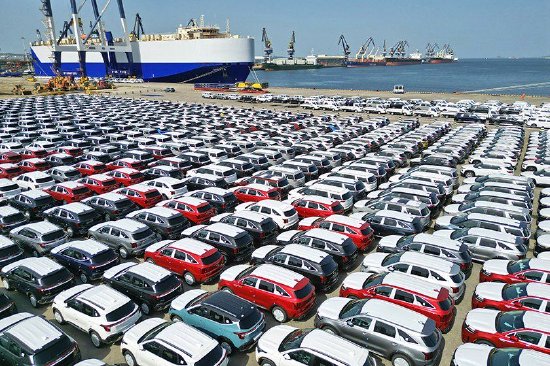
自 2020 年出口站稳百万量级后,中国汽车出海常年稳步增长,今年直接迎来量级跳涨。当下单月出口总量,几乎等同于 7 年前全年出口规模,出海格局早已今非昔比。
行业长期存在一种片面论调:中国新能源出海全靠政策补贴,特斯拉才是全球电车技术引领者。但产业现实恰恰相反:特斯拉早年长期深陷资金链危机,正是落地中国、依托本土完整供应链量产,才走出经营泥潭。
中国车企的全球竞争力,从来不是单点技术领先,而是覆盖上游矿产、电池、整车制造、智能化配套的全链条工业体系,带来供应链效率、整车产品定义的系统性优势。关税壁垒只能短期隔绝竞争,无法抹平制造业底层的成本与效率差距。
欧盟针对中国新能源发起反补贴调查,核心诉求从来不是追查补贴,而是强制要求中企交出电池正极、隔膜、单体全套生产工艺,本质是试图补齐自身残缺的产业链。但欧洲本土电池企业 NorthVolt 的破产,直接击碎欧美 “自主造电池” 的幻想:欧洲车企持续大额输血,中企全套输出设备、工艺、产线管理手把手扶持,本土电池企业依旧难以稳定量产。
多家欧美风投实地走访国内电池产业链后,直接将动力电池、储能赛道划入 “不可投资清单”—— 中企在上游石墨、稀散金属、冶金全链条形成绝对产能优势,这套完整工业底座,无法依靠一纸技术转让协议短期复制。
欧美出台双反税、最低售价限制等贸易保护手段,只是用非市场手段短暂缩小我方成本优势,只能延缓出海节奏,无法逆转长期攻守格局。在没有本土车企保护的第三方海外市场,制造效率、产品实用性才是决定胜负的核心标尺。
大众固有认知里,电力基础设施薄弱的拉美、非洲是电车销售荒漠,燃油车才是刚需,但市场现实完全相反。
多数欠发达国家电网供电不稳定,车载几十度动力电池,可直接充当家庭备用电源,支撑商铺照明、小型生产设备运转,综合成本远低于家用储能电池、柴油发电机。中国电车标配对外放电功能,直接把代步工具变成 “移动能源站”,精准击中欠发达地区电力短缺的刚性需求。

细分出口增速清晰预示长期趋势:上半年燃油车出口同比增长 35.5%,新能源电车出口增速高达 120%。尽管目前油车出口总量仍高于电车,但电车出口规模反超油车只是时间问题,拐点近在眼前。
下半年市场预判,新能源替代大势已定
国内市场本质是全球汽车电动化转型的 “先行试验场”,新能源对燃油车的替代深度,已经远超海外市场。
燃油车国内市占率早已跌破 30%,行业普遍预判长期底线或将下探至 20%。仅在高寒、重度越野等特殊场景,燃油车仍保有不可替代的优势;一旦固态电池实现商用落地,燃油车生存空间会再度压缩。
下半年燃油车终端会迎来小幅修复,但反弹空间十分有限。以燃油车为核心产品线的合资、传统车企,短期经营目标早已不是收复丢失的市场份额,而是稳住现有基本盘。需求持续波动会大幅抬高生产线、供应链的管理成本,稳定的销量底盘,是企业排产、控本的唯一依据。
内外市场形成完美对冲:高速增长的海外出口,基本可以填平国内内需收缩带来的销量缺口;叠加国内新能源持续回暖修复,2026 全年国内乘用车大盘大概率小幅收跌,不会出现上半年数据预示的深度下滑。
数年之前,市场选择新能源还源于政策引导;如今消费端自发转向,市场格局彻底倾斜,燃油车主导国内车市的时代已经一去不返。电动化结构性变革不可逆,我们唯一能讨论的,只是替代速度的快慢。内外双循环驱动,也将成为中国汽车行业长期不变的常态。
The China Association of Automobile Manufacturers and the China Association of Automobile Manufacturers have successively released passenger car production and sales data for June and the first half of the year. Although there is a slight difference in the statistical caliber between the two sets, the unfolded industrial landscape is glaring enough - domestic terminal sales have plummeted sharply, and fuel vehicles have almost halved; Overseas vehicle exports have experienced a sudden surge, with almost a certainty of breaking through 10 million vehicles throughout the year; While domestic demand is under pressure and relying on overseas markets to support it, the new energy track is also experiencing internal fragmentation - pure electricity continues to strengthen, the growth dividend of the extended range route is completely fading, and the industry transition plan is accelerating its exit.
8. The two sets of data released in the past two days vividly outline the chill in the domestic market. According to the China Association of Automobile Manufacturers, the retail sales of passenger cars in China reached 1.497 million units in June, a year-on-year decrease of 26.4%; Only 490000 gasoline vehicles were sold, almost halving year-on-year, with a drop of 49.9%. In the first half of the year, the cumulative sales of passenger cars reached 8.288 million units, a year-on-year decrease of 24.3%; The total number of fuel vehicles was 3.694 million, a year-on-year decrease of 31.9%.
Domestic demand declines and exports soar, leading to structural changes in the automotive market in the first half of the year
Such a significant year-on-year decline has never occurred in the past four years. The downward pressure on the market is almost entirely borne by fuel vehicles. An intriguing detail is that the wholesale decline of car companies is not significant, which means that a large number of new cars are piled up in dealer channels, and joint venture brands that rely on the volume of fuel vehicles have become the most direct bearers of inventory pressure.
Fuel cars continue to fall deeply, oil prices are just a superficial excuse
In the first quarter, the industry generally reached a consensus that domestic passenger car sales for the whole year of 2026 may experience a deep decline of around 20%. The six-month data seems to confirm this prediction, but the mainstream attribution logic in the market actually has two obvious loopholes.
Firstly, the speed of new energy restoration far exceeds industry expectations. In the first half of the year, the overall sales volume of new energy decreased by 13.4% year-on-year, but in June, it only slightly decreased by 0.4% year-on-year, and continued to recover compared to May. It is the only segmented track that can support the overall market. Previously, the market was generally pessimistic, believing that the decline in national subsidies and the early overdraft of consumption last year would cause new energy to sink into a trough throughout the year. But it is not difficult to judge from the trend in June that the demand gap dug by policy overdrafts is rapidly filling in, and it is expected to return to the positive growth channel in the third quarter, so that the overall market will not experience the deep collapse that the market is concerned about throughout the year.
Secondly, blaming high oil prices for the decline in fuel vehicles is no longer feasible. The timeline clearly corresponds to the escalating conflict between the US and Iran, with international crude oil breaking through $100/barrel and stabilizing at a high level in March. During the same period, sales of fuel vehicles also declined, while sales of luxury fuel brands suffered significant setbacks in April and May. The rise in oil prices is indeed a short-term catalytic factor. However, since June, international crude oil and domestic refined oil have both fallen, and in July, oil prices fell below $70 per barrel. There is no sign of recovery in terminal sales of fuel vehicles, and a single oil price logic is not enough to explain the current situation.
Domestic demand declines and exports soar, leading to structural changes in the automotive market in the first half of the year
At a deeper level, the rise in oil prices is more like the last straw that crushes the demand for fuel vehicles. A large number of consumers with trade in plans have been observing new energy for a long time, and fluctuations in oil prices have only accelerated the implementation of their decisions. Even if oil prices return to low levels, users who have completed a consumer psychology reset will find it difficult to turn back and choose gasoline cars. Although there is currently a lack of quantitative research evidence to support this structural demand migration, the feedback from end stores is already clear enough.
So, we can see that multinational car companies have collectively entered a large-scale strategic adjustment cycle this year: either significantly reducing global investment in electric vehicles, or simultaneously laying off employees and shutting down overseas factories, resulting in sustained turbulence in the global operational structure. The focus of the management is entirely on organizational restructuring, with new car research and development and iterative deployment put on hold, and most of the vehicle update tasks transferred to Chinese joint ventures.
In the first half of the year, the industry launched over 600 new cars, annual facelifts, and derivative models in one go, but there are only a few heavyweight products that can drive sales of fuel vehicles and have differentiated competitiveness. The demand side continues to decline, and there are no new products to undertake on the supply side. The fuel car camp has basically lost the opportunity to turn the tide.
Pure electric upward, the dividend of extended range route reaches its peak
The overall resilience of new energy has withstood the pressure of the market, but the growth curve of the three routes of pure electricity, plug-in hybrid, and extended range has completely torn apart within the track.
According to data from the China Association of Automobile Manufacturers in the first half of the year, sales of pure electric vehicles increased by 13% year-on-year, while the overall sales of plug-in hybrid and extended range vehicles decreased by 2.5% year-on-year; The segmented data of the China Association of Automobile Manufacturers in June showed a stronger contrast: the wholesale of pure electric vehicles was 981000, a year-on-year increase of 26.9%; 406000 plug-in hybrid vehicles, a year-on-year increase of 18.1%; The increase in range was only 94000 vehicles, a year-on-year decrease of 25.2%. In the top 10 list of new energy sales in the first half of the year, only the WENJIE M9 (configuration | inquiry) remains as an extended range model, while the rest of the seats are firmly occupied by pure electric vehicles.
Domestic demand declines and exports soar, leading to structural changes in the automotive market in the first half of the year
Many people simply attribute the decline in extended range sales to oil prices, but the real driving scenarios do not support this conclusion: the vast majority of extended range car owners drive in pure electric mode for daily commuting, and the impact of oil prices on car purchase decisions is limited. The biggest weakness of range extender at present is the continuous amplification of the congenital defect of short battery life. Even though the new large extended range SUV has increased its battery capacity to 70-80 degrees, it has not been able to reverse the downward trend in segmented tracks.
The core selling point that once supported the rapid increase in range and output - no range anxiety - is now being quickly smoothed out by pure electric technology. The widespread adoption of long-range pure electric vehicle models, the implementation of megawatt level flash charging, and the nationwide network of battery swapping stations have brought the high-speed energy replenishment experience infinitely close to refueling fuel vehicles; On the other hand, for extended range vehicles, having an additional internal combustion engine system results in higher maintenance costs and greater risk of malfunctions, continuously eroding the original differentiation advantages.
It cannot be denied that in remote areas where charging facilities are scarce, range extender still has irreplaceable practical value and will retain a fixed base plate in the short term. But the growth dividend of the track has completely disappeared, and the long-term prospects are bleak. Once solid-state batteries are commercially implemented, all models with fuel tanks - fuel vehicles and extended range vehicles - will face a new round of survival pressure, and oil prices have only accelerated this process ahead of schedule.
Explosive surge in exports, China's unique industrial base
The domestic market is experiencing a cold spell, but overseas vehicle exports have experienced a rare explosive trend, becoming the only confirmed growth mainline for the automotive industry this year.
According to data from the China Association of Automobile Manufacturers, the total export of vehicles in the first half of the year was 5.096 million, including 4.432 million passenger cars, a year-on-year increase of 65.3%; In June, the monthly export volume was 1.037 million vehicles, including 905000 passenger cars, with a year-on-year growth rate of 75.1%. The growth curve continues to steep, and there is almost no doubt that the annual export volume will exceed 10 million vehicles.
The pattern of enterprises going global is clearly differentiated: Chery's export volume has topped the industry in half a year, accounting for 70% of its total sales, becoming the first truly outward oriented vehicle enterprise in China; Geely's export growth rate leads the industry, reaching 150% year-on-year. Compared to historical benchmarks, Japan's automobile exports peaked at 6.85 million units in 1985, and by 2026, China's total vehicle exports will directly break the global record for automobile exports.
Domestic demand declines and exports soar, leading to structural changes in the automotive market in the first half of the year
Since 2020, when exports stabilized at the million level, China's automobile exports have been steadily increasing, and this year it has directly experienced a surge in volume. The current monthly export volume is almost equivalent to the annual export scale of 7 years ago, and the pattern of going global is no longer the same as before.
There has long been a one-sided view in the industry that China's new energy exports rely entirely on policy subsidies, and Tesla is the global leader in electric vehicle technology. But the reality of the industry is exactly the opposite: Tesla was deeply mired in a capital chain crisis in its early years, and it was precisely by landing in China and relying on a complete local supply chain for mass production that it emerged from its business quagmire.
The global competitiveness of Chinese car companies has never been a single point of technological leadership, but a comprehensive industrial system covering upstream minerals, batteries, vehicle manufacturing, and intelligent supporting, bringing systematic advantages in supply chain efficiency and vehicle product definition. Tariff barriers can only isolate competition in the short term and cannot smooth out the cost and efficiency gap at the bottom of the manufacturing industry.
Domestic demand declines and exports soar, leading to structural changes in the automotive market in the first half of the year
The EU has launched a counter subsidy investigation against China's new energy sector, with the core demand never being to investigate subsidies, but to force Chinese companies to hand over the complete production process of battery cathodes, separators, and individual cells. Essentially, it is an attempt to make up for its own incomplete industrial chain. But the bankruptcy of NorthVolt, a local battery company in Europe, directly shattered the illusion of "independent battery production" in Europe and America: European car companies continue to receive large amounts of blood transfusions, and Chinese enterprises provide comprehensive support for output equipment, processes, and production line management. Local battery companies still find it difficult to achieve stable mass production.
After visiting the domestic battery industry chain, multiple European and American venture capitalists directly included power batteries and energy storage tracks in the "non investable list" - Chinese enterprises have formed an absolute production capacity advantage in the upstream graphite, rare metals, and metallurgy chains. This complete industrial base cannot be replicated in the short term by relying on a single technology transfer agreement.
The introduction of trade protection measures such as double taxation and minimum selling price restrictions by Europe and the United States only temporarily reduces our cost advantage through non market means, which can only slow down the pace of going global and cannot reverse the long-term offensive and defensive pattern. In third-party overseas markets without the protection of local car companies, manufacturing efficiency and product practicality are the core criteria that determine victory or defeat.
In the public's inherent perception, Latin America and Africa, where power infrastructure is weak, are deserts for electric vehicle sales, and fuel vehicles are the most essential. However, the market reality is completely opposite.
Most underdeveloped countries have unstable power supply from their power grids, and vehicle mounted power batteries can directly serve as a backup power source for households, supporting commercial lighting and the operation of small production equipment. The overall cost is much lower than that of household energy storage batteries and diesel generators. Chinese trams are equipped with external discharge function as standard, directly turning transportation tools into "mobile energy stations", accurately targeting the rigid demand for power shortage in underdeveloped areas.
Domestic demand declines and exports soar, leading to structural changes in the automotive market in the first half of the year
The growth rate of segmented exports clearly indicates a long-term trend: in the first half of the year, the export of fuel vehicles increased by 35.5% year-on-year, and the export growth rate of new energy electric vehicles reached as high as 120%. Although the total export volume of oil vehicles is still higher than that of electric vehicles, it is only a matter of time before the scale of electric vehicle exports surpasses that of oil vehicles, and the turning point is imminent.
Market forecast for the second half of the year: the trend of new energy substitution has been determined
The domestic market is essentially a "pilot field" for the global transformation of electric vehicles, and the depth of substitution of new energy for fuel vehicles has far exceeded that of overseas markets.
The domestic market share of fuel vehicles has already fallen below 30%, and the industry generally predicts that the long-term bottom line may drop to 20%. Only in special scenarios such as high cold and heavy off-road conditions, fuel vehicles still have irreplaceable advantages; Once solid-state batteries are commercially implemented, the living space of fuel vehicles will be compressed again.
In the second half of the year, the terminal of fuel vehicles will experience a slight repair, but the rebound space is very limited. Joint venture and traditional car companies with fuel vehicles as their core product line no longer aim to recover lost market share in the short term, but to stabilize their existing fundamentals. Continuous fluctuations in demand will significantly increase the management costs of production lines and supply chains. A stable sales base is the only basis for enterprises to schedule production and control costs.
Perfect hedge between domestic and foreign markets: High growth overseas exports can basically fill the sales gap caused by the contraction of domestic demand; Combined with the continuous recovery and repair of domestic new energy, it is highly likely that the domestic passenger car market will experience a slight decline in 2026, and there will not be the deep decline predicted by the data in the first half of the year.
A few years ago, the market's choice of new energy was still guided by policies; Nowadays, with the spontaneous shift of the consumer end and the complete tilt of the market structure, the era of fuel vehicles dominating the domestic car market is gone forever. The structural transformation of electrification is irreversible, and the only thing we can discuss is the speed of substitution. The dual cycle drive system, both internal and external, will also become the long-term norm in the Chinese automotive industry.